
🌍 The Gateway to Global Trade: Your Guide to Importing and Exporting from India
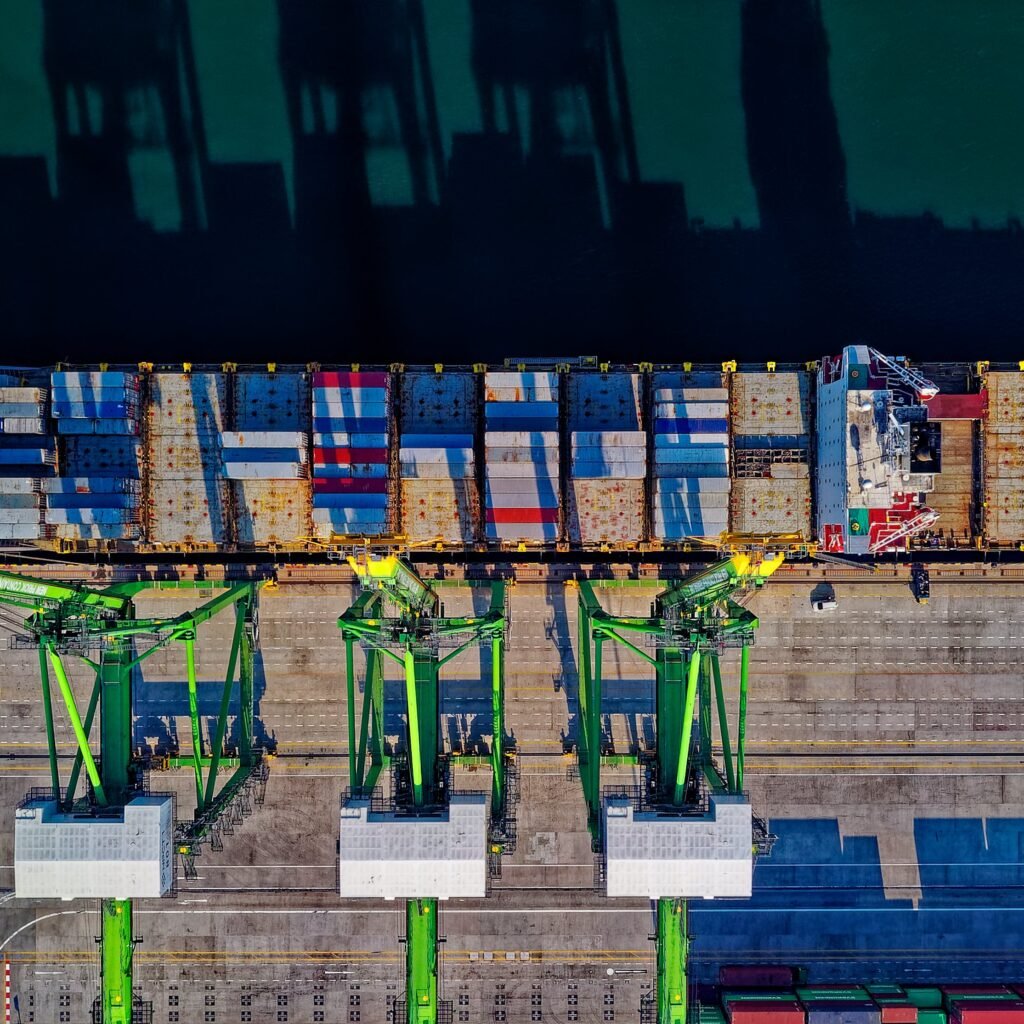
India, with its vibrant economy and strategic location, is a crucial player in the global trade landscape. Whether you’re looking to source unique products for your international business or take Indian goods to the world, navigating the Import and Export process can seem daunting.
This guide breaks down the essential steps and key regulations to help you successfully start or scale your cross-border trade operations from the subcontinent.
🔑 Essential First Steps: Setting Up Your EXIM Business
Before a single shipment leaves or enters India, a few mandatory groundwork steps must be completed.
1. Get Your Import-Export Code (IEC)
The Import-Export Code (IEC) is the most crucial requirement. Issued by the Directorate General of Foreign Trade (DGFT), this 10-digit code is mandatory for all businesses engaged in importing or exporting goods from India.
- Key takeaway: No IEC, no international shipment. The application process is entirely online and PAN-based.
2. Choose Your Business Structure
You need a legally registered entity to conduct business. You can operate as a Sole Proprietorship, Partnership Firm, Limited Liability Partnership (LLP), or Private Limited Company. The choice affects your liability, taxation, and compliance requirements.
3. Open a Foreign Exchange Bank Account
All international transactions require a current account with a bank authorized by the Reserve Bank of India (RBI) to deal in foreign exchange. This is where your export proceeds will be received and import payments will be made.
4. Registration-cum-Membership Certificate (RCMC)
While not always mandatory for every transaction, the RCMC is a necessary document if you wish to claim benefits, concessions, or import/export authorizations under India’s Foreign Trade Policy. It’s issued by the relevant Export Promotion Council (EPC) or Commodity Board, based on your principal line of business.
🚢 Understanding the Export Procedure
Exporting involves selling goods or services produced in India to overseas buyers. The process is streamlined but requires meticulous documentation.
Key Steps in Exporting
- Product & Market Selection: Identify high-demand products and research your target markets, including their legal requirements and consumer needs.
- Finding Buyers: Connect with foreign buyers through trade fairs, B2B portals, and online marketplaces.
- Order Confirmation & Contract: Finalize the sale with an export order or a formal contract, clearly defining terms like price, payment (e.g., Letter of Credit), Incoterms (which defines responsibility for shipping costs and risk), and delivery schedule.
- Goods Manufacturing/Sourcing: Prepare the goods as per the agreed-upon quality and specifications.
- Documentation & Shipment: This is where paperwork is critical.
- Shipping Bill: The primary document for customs clearance, filed with the Indian Customs Department.
- Commercial Invoice cum Packing List: Details the goods, quantity, value, and packaging.
- Bill of Lading/Airway Bill: A contract between the shipper and the carrier.
- Certificate of Origin (COO): Confirms where the goods were manufactured, often crucial for claiming tariff benefits under Free Trade Agreements (FTAs).
- Customs Clearance: The goods are inspected, and the documentation is verified before the customs authorities grant a “Let Export Order.”
- Realization of Export Proceeds: The final step is receiving payment for your goods in foreign currency.
⚓ Navigating the Import Procedure
Importing involves bringing goods into India from a foreign country. This is highly regulated, primarily to protect domestic industries and ensure public safety.
Key Steps in Importing
- Product & Legal Compliance: Determine the correct ITC (HS) Code (an 8-digit classification) for your product. This code dictates the specific import policy:
- Free: Freely importable with no license.
- Restricted: Requires a specific Import License/Authorization from DGFT.
- Prohibited: Generally not allowed for import.
- Bill of Entry (BoE): This is the most critical document for customs clearance. It must be filed with the Customs Department within a specified timeframe of the goods arriving.
- Customs Assessment and Duty Payment: Customs officials examine the BoE and the goods to:
- Verify the details (value, quantity, classification).
- Calculate and levy duties. India levies Basic Customs Duty (BCD) and an Integrated Goods and Services Tax (IGST), among other potential duties (like Anti-Dumping or Safeguard Duty).
- Goods Release: Once the duty is paid and all documentation is verified, customs issue a “Pass Out Order,”allowing the goods to be released to the importer.
🇮🇳 Government Support & Schemes
The Indian government actively promotes exports through various schemes to help exporters remain globally competitive:
- Interest Equalisation Scheme: Provides an interest subsidy on pre- and post-shipment export credit, making borrowing more affordable.
- Export Promotion Capital Goods (EPCG) Scheme: Allows the import of capital goods (machinery, equipment) at zero or concessional duty, provided the exporter commits to an equivalent export obligation.
- Advance Authorization Scheme: Allows duty-free import of raw materials, components, and consumables required for the manufacture of export products.
✅ Final Thoughts: Success is in the Details
The world of EXIM is dynamic, with policies changing frequently. Success in importing and exporting from India hinges on meticulous documentation and strict compliance with Indian Customs and DGFT regulations.
Engaging an experienced Customs House Agent (CHA) or a trade consultant can significantly simplify the process, helping you avoid costly delays, penalties, and ensuring you leverage all available government benefits.
Are you ready to make your first move into global trade?
Great Insights
hyh
This is Great